How AI is Transforming Government Policy-Making in Southeast Asia
Exploring how data analytics and AI help governments make better, evidence-based decisions.

The Data-Driven Government
Across Southeast Asia, governments are increasingly turning to data analytics and artificial intelligence to inform policy decisions. From budget allocation to disaster response, the era of intuition-based governance is giving way to evidence-based policy-making.
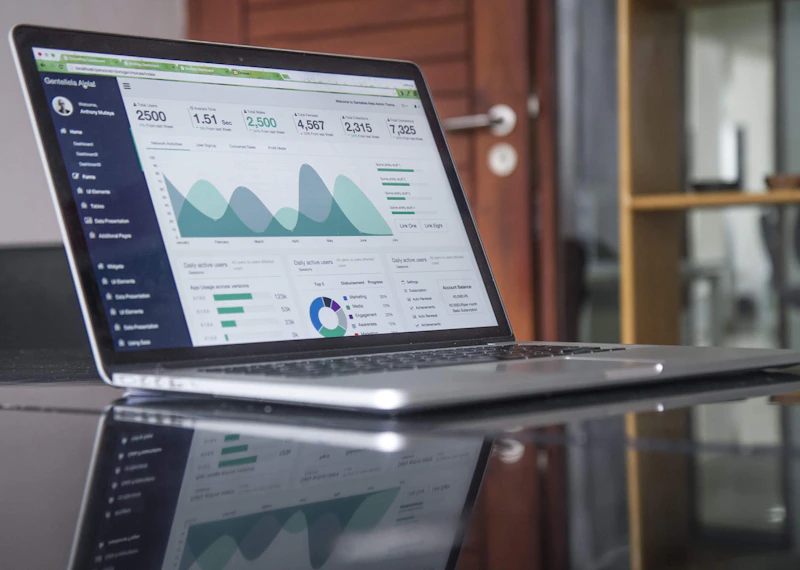
At Kedata, we've worked with multiple government agencies to build strategic analytics dashboards that consolidate data from various departments into a single, actionable view.
Real Impact: Budget Optimization
One of our most impactful projects involved helping a regional government optimize their public budget allocation. By analyzing historical spending patterns against outcome data, we identified over Rp 2 Trillion in potential savings — without reducing service quality.
Key Findings
- 30% of departmental budgets had redundant data collection processes
- Real-time dashboards reduced decision-making time from weeks to hours
- Standardized data formats across departments eliminated inconsistencies
- Predictive models helped forecast resource needs 6 months in advance
The Technology Stack
Our approach combines Kalkula for no-code data integration and processing with custom analytics dashboards. Government officials don't need to write code — they connect their data sources, apply transformations, and visualize results through an intuitive interface.
What's Next
As more government data becomes digitized, the opportunity for AI-driven policy optimization will only grow. The key is building infrastructure that makes data accessible to decision-makers at every level — from village heads to ministry officials.